Orthodontic treatment is no longer something reserved primarily for teenagers. Many adults are choosing to straighten their teeth, improve their bite, and feel more confident about their smiles. Whether you have lived with crowded teeth for years, noticed your teeth shifting over time, or never completed orthodontic treatment when you were younger, there are now several effective ways to improve your smile.
Two of the most common options are Invisalign clear aligners and traditional braces. Both can produce meaningful improvements, but they differ in appearance, comfort, daily care, treatment flexibility, and the types of orthodontic problems they may be best suited to address.
For adults comparing Invisalign vs braces, the right choice depends on more than which treatment looks better. Your oral health, bite, lifestyle, treatment goals, and willingness to follow instructions all play an important role.
At Smile For Life in Wenatchee, WA, adult orthodontic treatment can be planned around your individual needs. Understanding the differences between clear aligners vs metal braces can help you have a more productive conversation with your dental team and choose the option that fits your life.
Why More Adults Are Choosing Orthodontic Treatment
Adults pursue orthodontic care for many different reasons. Some want to improve the appearance of crowded, rotated, or unevenly spaced teeth. Others have functional concerns, including a bite that makes chewing uncomfortable, teeth that are difficult to clean, or areas of excessive wear caused by poor tooth alignment.
Teeth can also shift as people age. Even adults who had braces as teenagers may notice that their teeth have moved, especially if they stopped wearing their retainers. Changes in gum health, tooth loss, dental restorations, and natural changes in the jaw can all influence tooth position.
Modern adult orthodontics in Wenatchee is designed to address both appearance and function. Straightening the teeth can make brushing and flossing easier, create space for restorative treatment, improve how the upper and lower teeth come together, and support a more balanced smile.
Many adults are also more comfortable pursuing orthodontic care because treatment options have evolved. Invisalign and other clear aligner systems offer a discreet alternative to traditional braces, while modern braces are often smaller and more comfortable than the appliances many patients remember from childhood.
How Invisalign Works
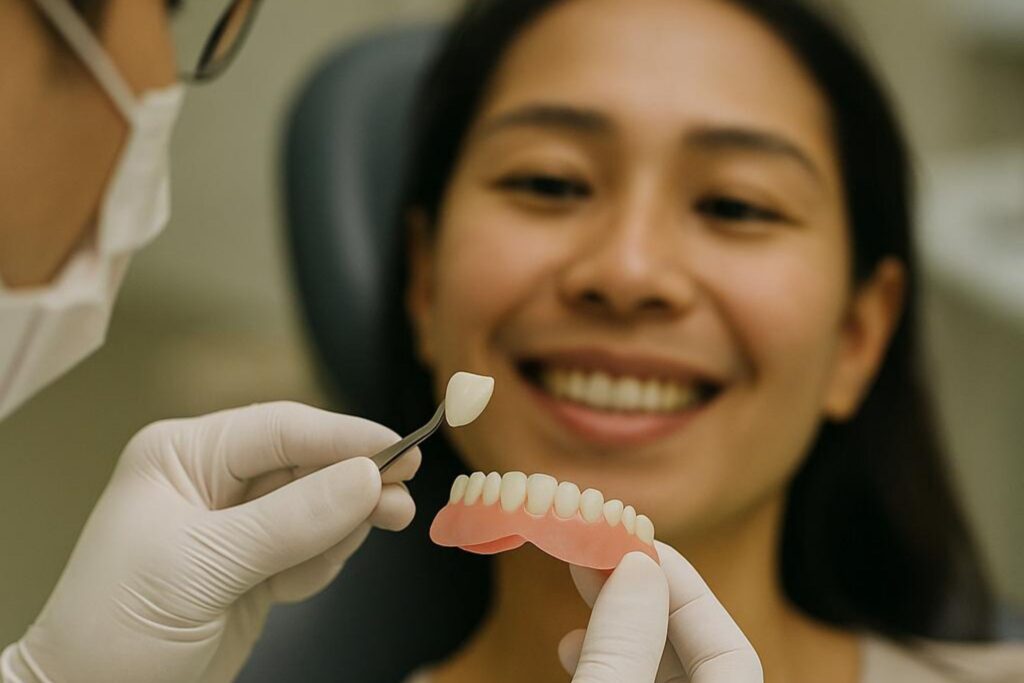
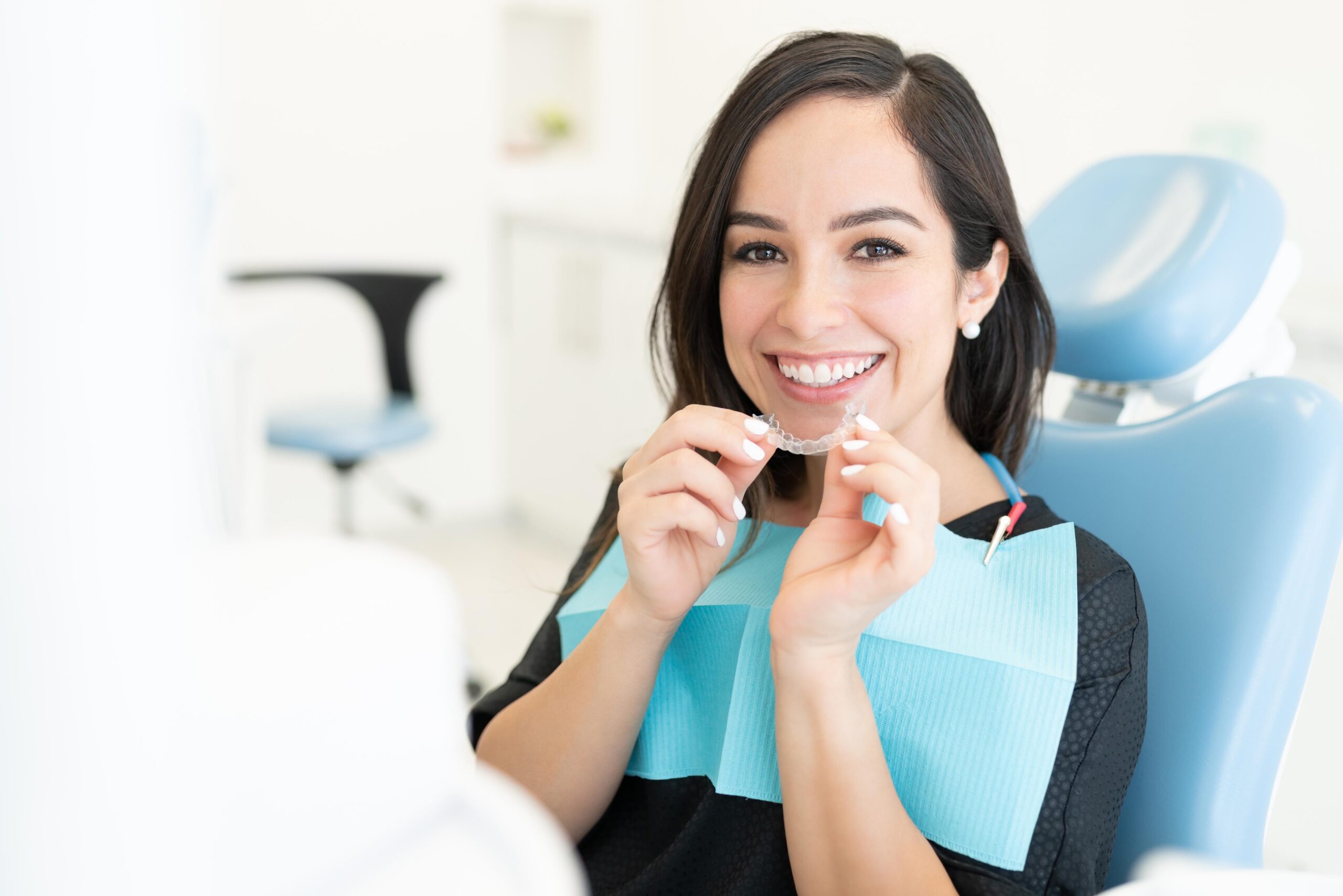
Invisalign uses a customized series of removable clear aligners to gradually move the teeth. Each aligner is designed to apply controlled pressure to specific teeth at different stages of treatment.
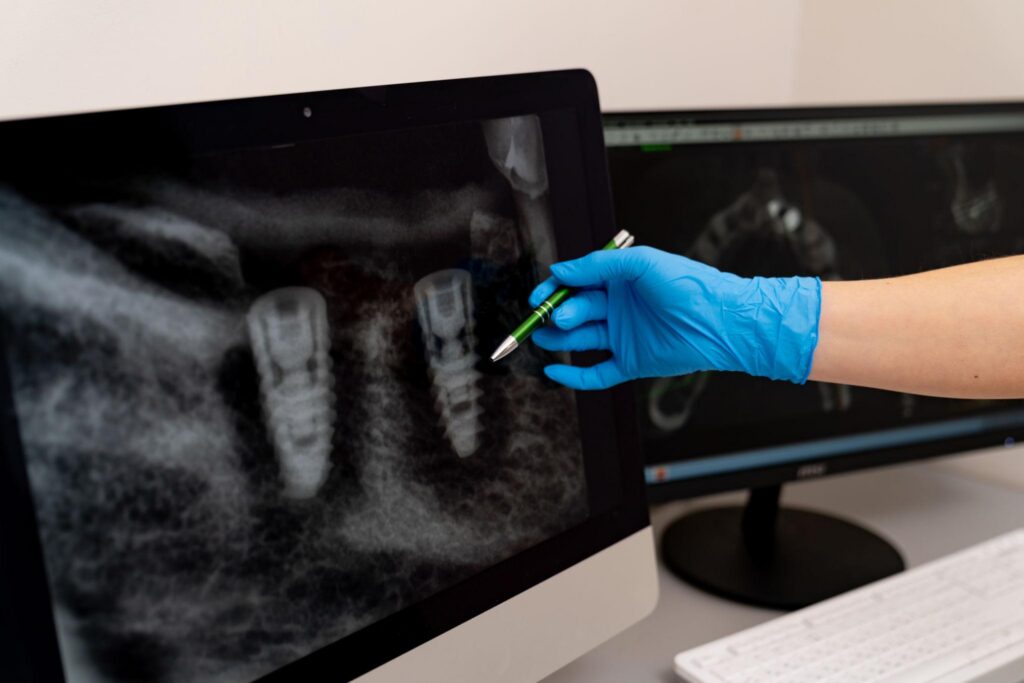
The process typically begins with a detailed examination and digital imaging of your teeth and bite. Your provider uses this information to create a personalized treatment plan. The aligners are then fabricated to follow the planned sequence of tooth movement.
Patients generally wear each set of aligners for a specified period before moving to the next set. For treatment to stay on schedule, the aligners usually need to be worn for approximately 20 to 22 hours per day. They are removed for eating, drinking anything other than water, brushing, and flossing.
Some Invisalign cases require small tooth-colored attachments. These are bonded to selected teeth and help the aligners grip the teeth more effectively. Although the attachments are usually less noticeable than braces, they may still be visible at close range.
Patients searching for Invisalign Wenatchee WA treatment should understand that clear aligners are not simply cosmetic trays. They are orthodontic appliances that require proper planning, supervision, and patient cooperation.
How Traditional Braces Work
Traditional braces use brackets bonded to the teeth and wires that guide the teeth into more desirable positions. The orthodontic wire is adjusted periodically to apply pressure and gradually change tooth alignment.
Metal braces remain a reliable treatment option for a broad range of orthodontic concerns. They can be especially useful when significant tooth movement, complex rotations, substantial crowding, or major bite correction is needed.
Because braces are fixed to the teeth, patients do not have to remember to put them back in after eating or brushing. They work continuously throughout the day. This can make them a practical choice for patients who are concerned that they may not wear removable aligners consistently.
Braces do require careful oral hygiene. Food and plaque can collect around the brackets and underneath the wires. Patients must take extra time when brushing and may need special floss threaders, interdental brushes, or water flossing devices to clean effectively.
Traditional braces are more visible than Invisalign, but some adults decide that the predictability or treatment capabilities of braces are more important than appearance.
Invisalign vs Braces for Adults: Appearance and Esthetics
For many adults, appearance is one of the biggest factors in the Invisalign vs braces decision. Invisalign aligners are clear and fit closely over the teeth, making them relatively discreet. They may be especially appealing to adults who work in client-facing roles, give presentations, attend frequent social events, or simply prefer not to draw attention to orthodontic treatment.
Invisalign is not completely invisible. Attachments, buttons, or elastics may be needed, depending on the treatment plan. The aligners can also become more noticeable if they are not cleaned properly.
Metal braces are more visible because the brackets and wires remain attached to the teeth. Some adults are comfortable with this and do not consider it a major concern. Others may feel self-conscious about wearing braces in professional or social settings.
Your preference for discreet treatment matters, but appearance should not be the only consideration. The best orthodontic option is the one capable of producing a healthy, stable, and functional result.
Comfort During Treatment
Both Invisalign and braces can cause temporary discomfort because both methods move the teeth through the supporting bone.
Invisalign patients may feel pressure or tenderness when they begin wearing a new set of aligners. This discomfort is usually most noticeable during the first day or two and often decreases as the teeth adjust.
Clear aligners have smooth surfaces, so they are less likely than metal brackets and wires to irritate the cheeks and lips. However, the edges of an aligner can occasionally feel rough or cause a sore spot until it is adjusted.
Braces can also cause tenderness after the wires are adjusted. Brackets and wires may rub against the inside of the cheeks or lips, particularly at the beginning of treatment. Orthodontic wax can often be placed over an irritating bracket or wire to improve comfort.
Neither option is completely discomfort free. Most patients find that the soreness is manageable and temporary.
Eating With Clear Aligners vs Metal Braces
One of the biggest lifestyle differences between clear aligners vs metal braces involves eating.
Invisalign aligners are removed before meals, so patients can generally continue eating the foods they enjoy. However, the teeth should be brushed or rinsed before the aligners are placed back in the mouth. Putting aligners over food particles can increase the risk of staining, bad breath, tooth decay, and gum irritation.
Frequent snacking can become inconvenient because the aligners must be removed and replaced each time. Patients who slowly sip coffee, tea, soda, or other beverages throughout the day may also need to adjust their habits. Drinking sugary or acidic beverages while wearing the aligners can trap liquid against the teeth.
With braces, patients must avoid foods that could bend wires or loosen brackets. Hard candy, ice, popcorn kernels, sticky foods, and very crunchy foods can create problems. Foods such as apples and raw carrots may need to be cut into smaller pieces.
Adults who value fewer food restrictions may prefer Invisalign. Adults who are comfortable making temporary dietary changes may find braces manageable.
Oral Hygiene and Dental Health
Oral hygiene is essential during any orthodontic treatment.
Invisalign aligners are removable, which allows patients to brush and floss normally. This is a significant advantage for many adults. However, the aligners themselves also need to be cleaned regularly. Wearing dirty aligners can contribute to odor, discoloration, and bacterial buildup.
Patients should avoid cleaning aligners with very hot water because heat can distort the material. The aligners should also be stored in their case when they are not being worn. Wrapping them in a napkin at a restaurant is a common way they are accidentally thrown away.
Braces require more effort to clean. Plaque can accumulate around brackets and wires, and neglected areas may develop cavities, gum inflammation, or permanent white spots on the enamel.
Patients with braces must be willing to spend extra time brushing and flossing carefully. Regular professional cleanings are also important during treatment.
For adults with a history of cavities or gum disease, the dental team may recommend completing necessary treatment and improving oral hygiene before beginning orthodontics.
Which Option Works Better for Complex Cases?
Invisalign technology has advanced substantially and can now address many mild to moderately complex orthodontic concerns. Clear aligners may be used to treat crowding, spacing, certain rotations, overbites, underbites, crossbites, and other alignment issues.
However, some cases remain more predictable with traditional braces. Significant tooth rotations, severe crowding, teeth that need substantial vertical movement, and complex bite problems may respond more efficiently to fixed appliances.
The limits of clear aligner treatment also depend on the patient’s willingness to wear the trays consistently. Even an excellent Invisalign treatment plan will not work as intended if the aligners are regularly left out.
Braces do not depend on daily removal and replacement. Since they remain attached to the teeth, they may provide better control in certain complex cases or for patients who do not want the responsibility of managing removable appliances.
The only way to determine which option is clinically appropriate is through a comprehensive evaluation.
Treatment Time for Invisalign and Braces
Treatment time varies significantly from patient to patient. Mild tooth movement may take a matter of months, while more complex bite correction can take considerably longer.
Invisalign treatment may be efficient when the aligners are worn as directed and the teeth respond according to the plan. Treatment can be delayed when patients do not wear the aligners long enough each day, lose trays, or switch aligners too early.
Braces may also require an extended treatment period for complex orthodontic problems. Broken brackets, missed appointments, and poor cooperation with elastics can lengthen treatment.
It is difficult to say that one option is always faster. The expected timeline depends on the starting position of the teeth, the complexity of the bite, the treatment goals, and patient compliance.
During an Invisalign Wenatchee consultation, your provider can explain the anticipated treatment length and the factors most likely to influence your progress.
Responsibility and Patient Compliance
Invisalign offers flexibility, but that flexibility comes with responsibility.
Patients must wear the aligners consistently, keep track of them, change them according to instructions, and maintain good hygiene. Leaving the aligners out for several hours each day can prevent the teeth from moving as planned.
Some adults appreciate being able to remove their aligners for meals, photographs, or important events. Others find that removability makes it too easy to forget to wear them.
Braces remove much of that decision making. Since they are fixed in place, they continue working throughout the day. Patients still need to follow instructions, maintain good oral hygiene, attend appointments, and wear elastics if prescribed.
Adults who are organized and disciplined often do very well with Invisalign. Those who prefer a treatment that does not depend on remembering to wear an appliance may be better suited to braces.
Cost of Invisalign vs Braces in Wenatchee
The cost of adult orthodontic treatment can vary based on the complexity of the case, expected treatment time, type of appliance, number of appointments, and other clinical factors.
Invisalign is sometimes assumed to be substantially more expensive than braces, but that is not always the case. For many patients, the costs may be similar. More complex Invisalign cases may cost more than limited clear aligner treatment, while complex braces cases may also involve higher fees.
Dental insurance may provide orthodontic benefits, but coverage varies. Some plans only cover dependent children, while others provide a lifetime orthodontic benefit for adults. Insurance may pay a percentage of treatment up to a stated maximum.
Flexible spending accounts and health savings accounts may also be used for eligible orthodontic expenses. Payment arrangements may be available to help divide the cost over time.
A personalized consultation at Smile For Life is the best way to receive an accurate estimate. Searching online for average treatment prices can provide a general idea, but it cannot account for the specific needs of your teeth and bite.
The Importance of Retainers After Treatment
Whether you choose Invisalign or braces, retention is a critical part of maintaining your results.
Teeth have a natural tendency to shift after orthodontic treatment. Retainers help hold them in their corrected positions while the surrounding tissues adapt. Many patients eventually transition to wearing retainers at night, but the recommended schedule can vary.
Failing to wear retainers can allow crowding, spacing, or bite problems to return. This is one reason some adults seek a second round of orthodontic treatment years after having braces.
Retainers should be considered a long-term part of protecting your investment. Your provider will explain how often to wear them and when they may need to be replaced.
Who May Be a Good Candidate for Invisalign?
Invisalign may be a good choice for adults who want a discreet treatment option and are committed to wearing their aligners as directed.
It may be especially appealing if you:
- Prefer an appliance that is less noticeable
- Want to remove your appliance while eating
- Want to brush and floss without brackets or wires
- Can reliably wear the aligners for most of the day
- Have an orthodontic concern that can be predictably treated with clear aligners
A consultation is still necessary because not every alignment or bite problem is best treated with Invisalign.
Who May Be a Good Candidate for Braces?
Traditional braces may be recommended for adults with complex tooth movement needs or those who prefer a fixed appliance.
Braces may be a strong option if you:
- Have significant crowding, rotation, or bite correction needs
- Do not want to manage removable aligners
- Are comfortable with a more visible appliance
- Can commit to careful cleaning around brackets and wires
- Want a treatment method with broad clinical capabilities
Some patients are candidates for both options. In those cases, lifestyle, cost, appearance, and personal preference may play a larger role in the decision.
Questions to Ask During an Adult Orthodontic Consultation
A consultation should provide more than a simple recommendation. It should help you understand your current condition, available options, expected timeline, and financial responsibilities.
Consider asking:
- What orthodontic problems do I have?
- Can both Invisalign and braces treat my case?
- Which option is likely to be more predictable?
- Will I need attachments, elastics, or other appliances?
- How long is treatment expected to take?
- How often will I need appointments?
- What happens if I lose an aligner or break a bracket?
- What type of retainer will I need?
- What portion of the treatment may be covered by insurance?
The answers can help you compare your options based on your individual needs rather than general assumptions.
Choosing the Right Adult Orthodontic Treatment in Wenatchee
The decision between Invisalign and braces is highly personal. Invisalign offers discreet treatment, removable appliances, fewer food restrictions, and easier access for brushing and flossing. Traditional braces offer dependable, continuous tooth movement and may provide greater control for certain complex orthodontic problems.
Neither option is automatically better for every adult. The most important consideration is whether the treatment can safely and predictably address your specific alignment and bite concerns.
Your daily habits also matter. Invisalign requires consistent wear and careful management of the aligners. Braces require dietary changes and detailed cleaning around the brackets and wires. Being realistic about your lifestyle can help you choose a treatment you are more likely to complete successfully.
Schedule an Invisalign or Adult Orthodontic Consultation at Smile For Life
If you are comparing Invisalign vs braces for adults in Wenatchee, the next step is a personalized evaluation. An examination can reveal more about your bite, tooth position, gum health, and treatment options than an online comparison alone.
At Smile For Life in Wenatchee, WA, our team can discuss whether Invisalign, traditional braces, or another approach may be appropriate for your smile. We will help you understand the benefits, responsibilities, expected timeline, and costs associated with each option.
Whether you are interested in Invisalign Wenatchee WA treatment, exploring adult orthodontics in Wenatchee, or simply wondering whether your teeth can still be straightened, it is never too late to learn about your options.
Schedule a consultation with Smile For Life to take the first step toward a healthier, more confident smile.