Living with loose dentures or a mouthful of failing teeth changes more than your smile. It changes what you eat, how you talk, and how you feel walking into a room.
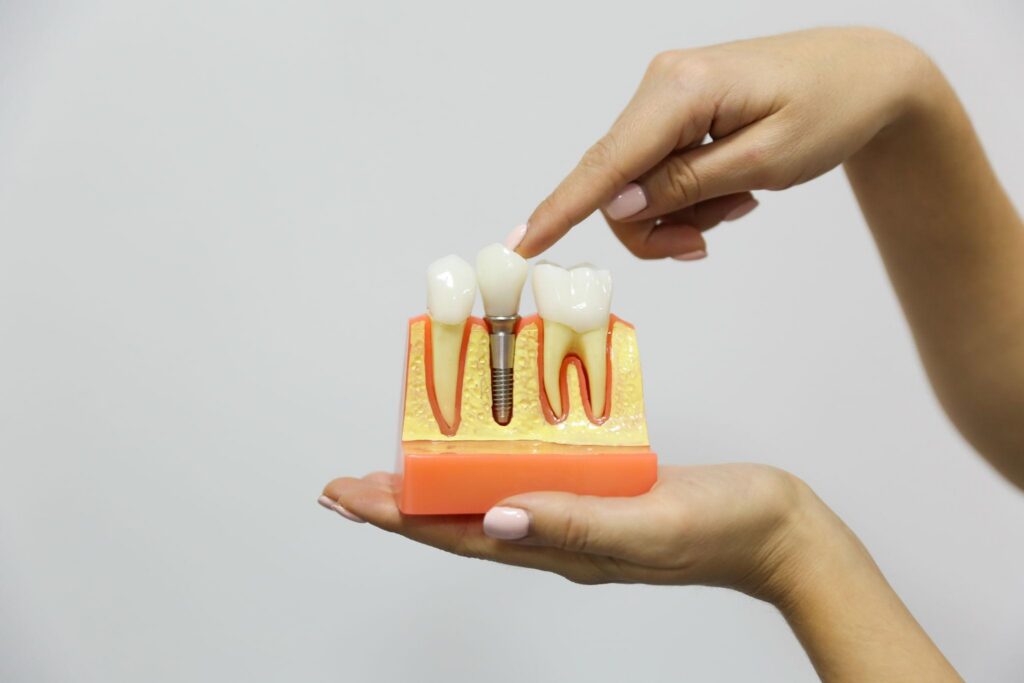
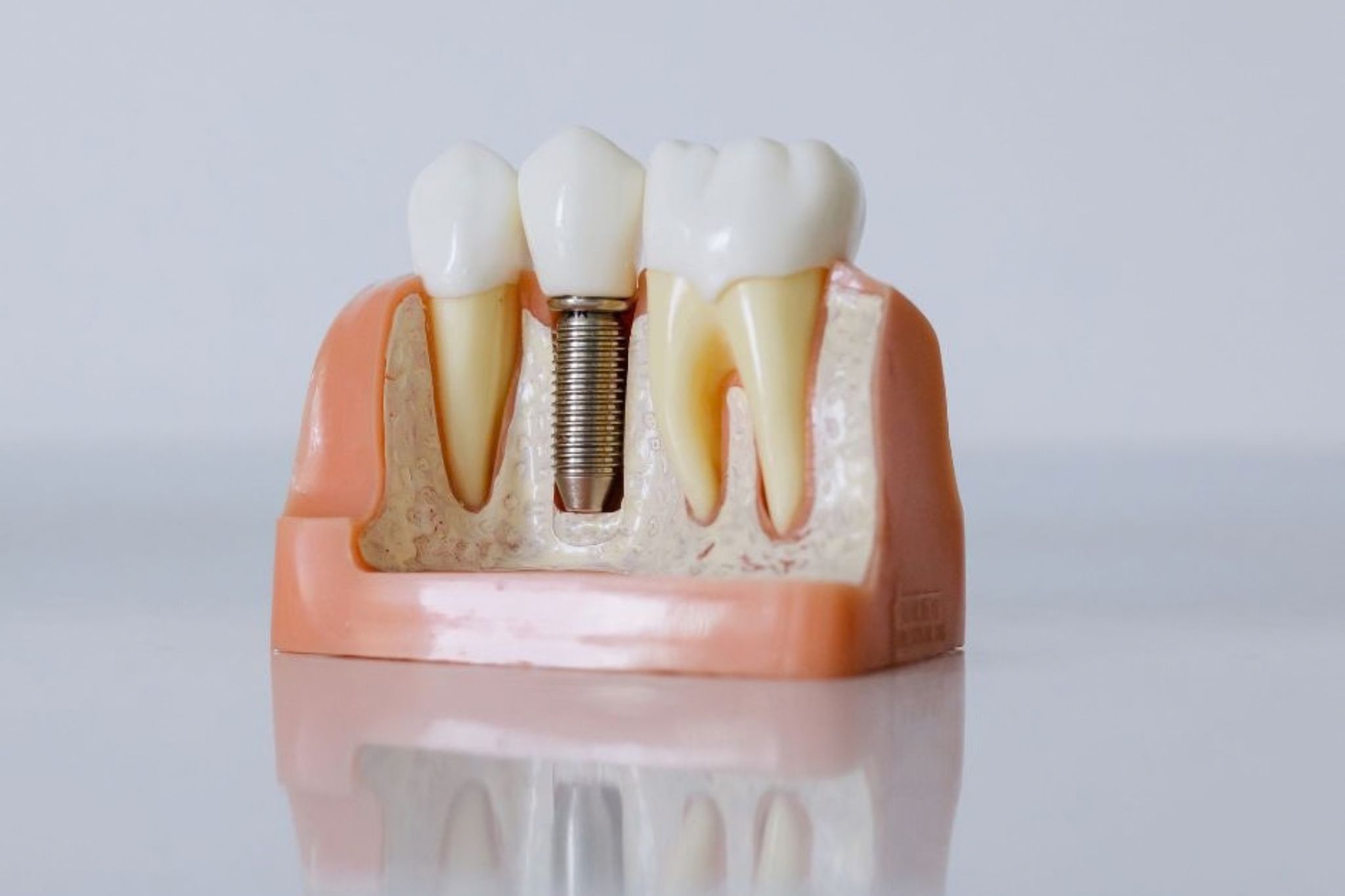
All-on-4 dental implants replace a full arch of teeth using four titanium posts set directly into the jawbone. For most adults missing all or most of their teeth, this fixed option gives you stronger chewing force, a longer lifespan, and better bone health than removable dentures.
Dr. Erik Holmberg has placed implants and restored full arches at Smile for Life in Wenatchee for over 30 years. He and his team look at each patient on their own.
They weigh your bone health, your goals, and your daily life to decide whether All-on-4, implant dentures, or another path makes the most sense.
Key takeaways if you are weighing full-arch replacement
- All-on-4 uses four implants per arch to hold a fixed set of teeth in place, often placed in a single visit.
- A long-term study in the Journal of the American Dental Association found that 99.2% of All-on-4 bridges lasted 10 years or more.
- The titanium posts can last 20 years or longer. The teeth attached to them usually need to be remade after 10 to 15 years.
- Cost runs from $12,000 to $25,000 per arch, which is less than placing one implant for every missing tooth.
- The team at Smile for Life in Wenatchee performs All-on-4 consults and bone and gum grafting on-site, so you stay in one office from start to finish.
How does All-on-4 work?
All-on-4 places four titanium posts at set angles in the jawbone to hold a full arch of new teeth. Two posts go straight down into the front of the jaw, where bone is thickest. Two more tilt into the back at a 30 to 45 degree angle, reaching into deeper bone and steering clear of the sinus cavity or nerve canal. That tilt is the key to the whole approach.
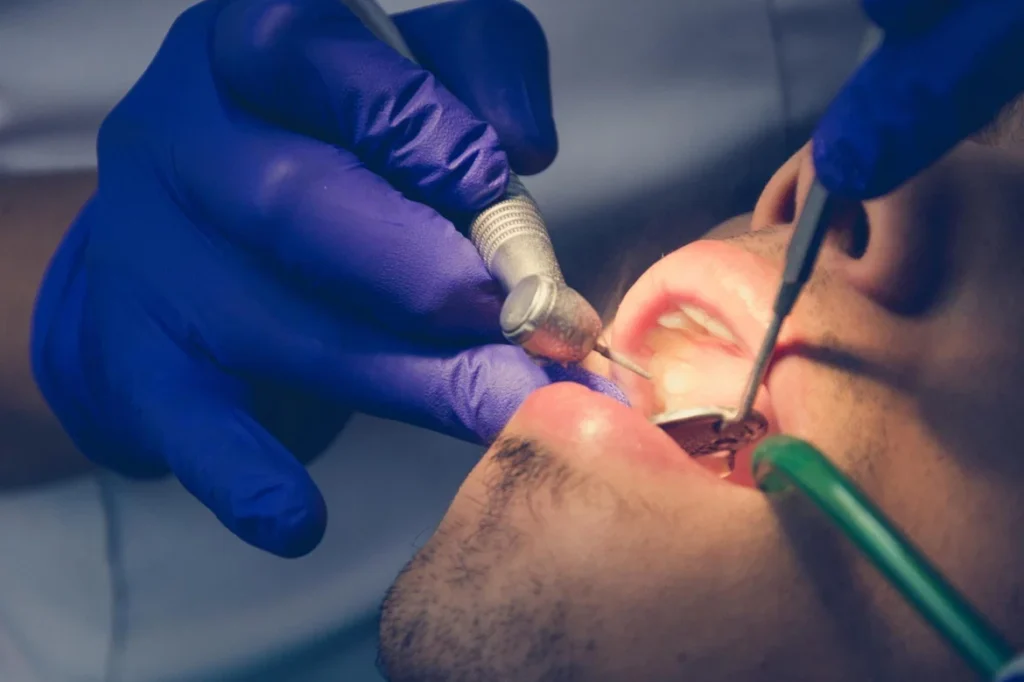
Your dentist fits a set of teeth onto those four posts on the same day as surgery. You walk out with teeth that work. Over the next three to six months, the titanium fuses with the bone. Once healing wraps up, you come back for a final set of teeth made from porcelain or zirconia.
The full process often takes fewer visits than placing implants one by one. Because the back posts reach into denser bone at an angle, many patients skip the bone grafting step that adds months to other implant plans.
Who is a good candidate for All-on-4 implants?
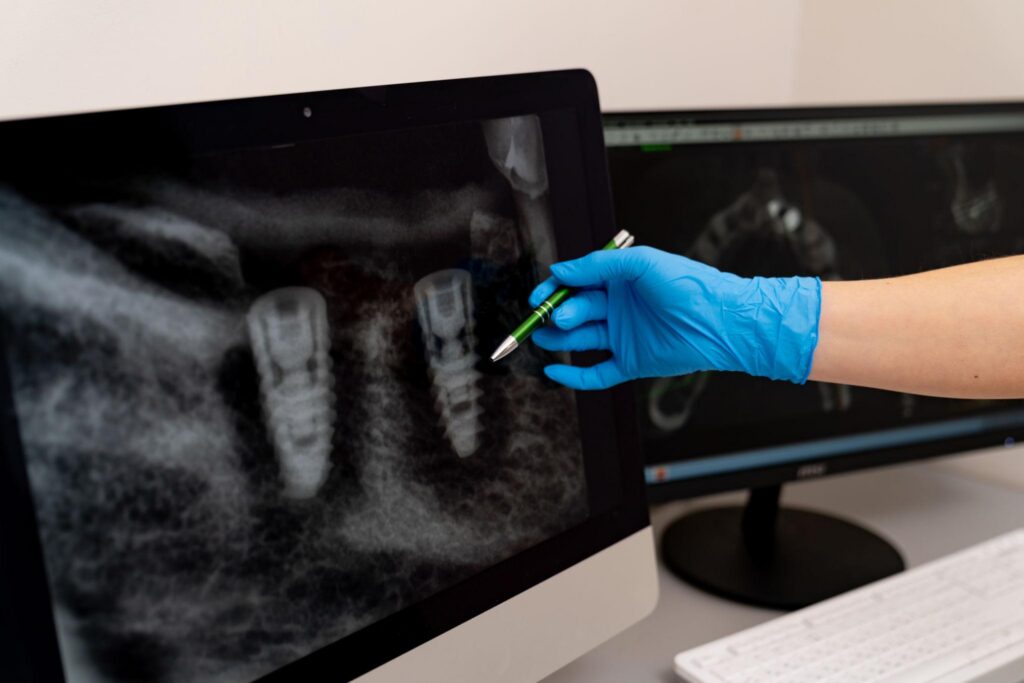
Most adults missing all or most of their teeth in one arch qualify for All-on-4. Designers built this method for people with some bone loss who do not have enough bone for six to eight single posts. A 3D scan at your first visit shows whether your jaw can hold four angled implants without extra grafting.
Several types of patients tend to be strong fits. People who wear full dentures now and want teeth that stay put. Adults with many failing teeth that need to come out across one arch. People whose past dentist said they lacked bone for standard implants. The angled back posts often make grafting a thing of the past.
Your overall health matters, but most conditions do not rule you out. People with managed diabetes, stable blood pressure, or mild bone thinning do well in published studies. Smoking is the biggest risk you can control. It slows blood flow and weakens healing at the implant site. Most dental teams ask you to quit at least two weeks before surgery and stay smoke-free during recovery.
All-on-4 versus traditional dentures
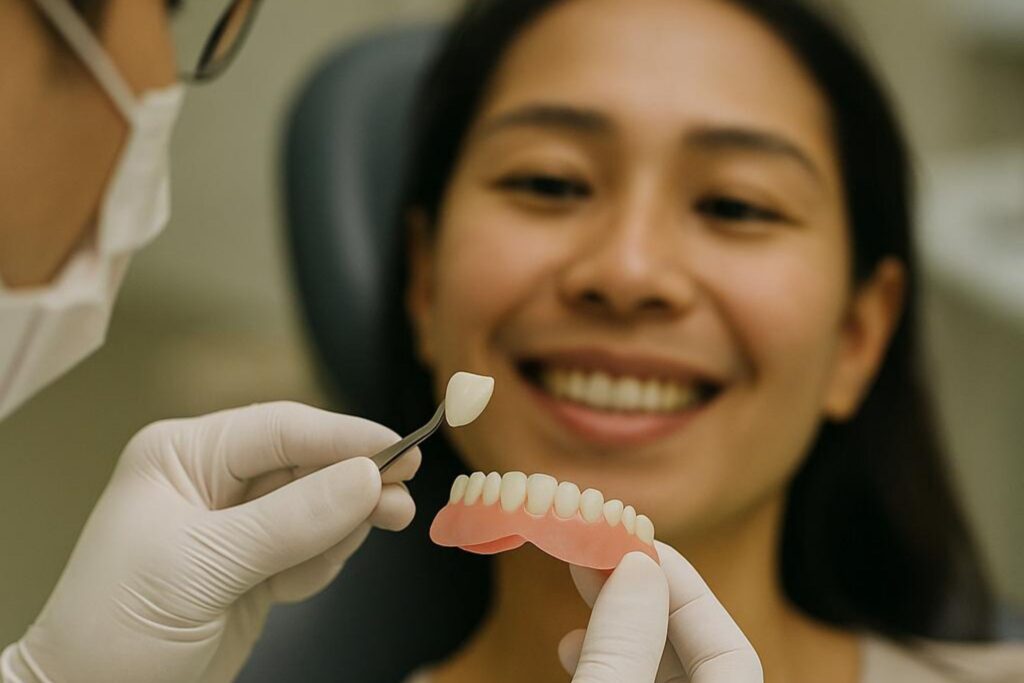
All-on-4 implants stay fixed in your mouth at all times. Traditional dentures sit on the gums and need paste or suction to stay in place. That one difference changes nearly every part of daily life.
Dentures bring back about 20% of your natural bite force. All-on-4 brings back up to 90%. That gap is huge at the dinner table. Corn on the cob, apples, and steak come back into reach. Dentures also speed up bone loss in the jaw because they put no load into the bone itself. All-on-4 posts carry chewing force straight into the jaw, which slows or stops the bone shrinkage that gives many long-term denture wearers a sunken look over the years.
Upper dentures cover the roof of your mouth, which dulls taste and can trigger a gag reflex. All-on-4 teeth leave the palate wide open, so you taste food the way you did with natural teeth.
Dentures also need to come out every night for cleaning and to let your gums rest. All-on-4 teeth stay in place around the clock. You brush and floss them much like natural teeth.
| Feature | All-on-4 Implants | Traditional Dentures |
| Fixed or removable | Fixed for good | Removable |
| Bone health | Keeps bone intact | Bone shrinks over time |
| Chewing strength | Up to 90% of natural bite | About 20% of natural bite |
| Slipping risk | None | Common |
| Covers roof of mouth | No | Yes (upper arch) |
| How long it lasts | 15 to 20+ years (posts may last longer) | 5 to 7 years before replacement |
| Cost per arch | $12,000 to $25,000 | $300 to $8,000 |
What does All-on-4 cost, and does insurance help?
A single arch of All-on-4 runs between $12,000 and $25,000 in the United States. Both arches together range from $24,000 to $50,000. The final price depends on the material you pick for the teeth and whether you need prep work like pulling teeth or bone grafting first.
Most dental plans treat implants as elective and pay little or nothing toward the cost. Some plans will cover the scans, the tooth pulls, or part of the new teeth. Health insurance now and then picks up a piece of the surgery when tooth loss came from an accident or a medical condition.
The long-term math often tips in favor of All-on-4. Dentures need to be remade every five to seven years. Add in relines, paste, and office visits for adjustments, and those costs build. One set of All-on-4 implants kept up with regular cleanings often costs less over 20 years than a cycle of denture swaps. Ask your dental team about payment plans during your consult.
How long is recovery after All-on-4 surgery?
Most people go back to desk work within two to three days. Swelling and mild soreness peak around day two and usually ease with store-bought pain meds. Jobs that require heavy lifting typically need five to seven days off.
You stick to soft foods for the first few weeks while the posts start bonding with the bone. By six to eight weeks, most patients bring firmer foods back. Full healing takes three to six months. At that point, your dentist swaps the starter teeth for the final set.
Recovery is shorter than most patients expect. Four posts mean less cutting than the six to eight posts used in other full-arch methods. The angled back posts also tend to avoid grafting, which cuts out one of the longest healing steps in older implant plans.
Your dental team schedules follow-up visits during the healing window to check how the bone is bonding and to make sure the starter teeth fit well. Most patients say the first week is the toughest, and things improve quickly from there.
What are the risks of All-on-4?
All-on-4 shares the same risks as any implant surgery: infection at the site, short-term nerve tingling, and implant failure. Failure rates stay low. A 10-year study in the Journal of the American Dental Association tracked 245 patients with 980 implants and reported a 94.8% success rate for the implants and 99.2% for the bridges attached to them.
Smoking raises the risk the most. It tightens blood vessels near the surgical site and gets in the way of the bone-bonding process. Poorly managed diabetes and certain immune disorders also raise the odds of healing trouble. Your dentist reviews your full medical background before moving forward.
If one post fails, your dentist can often swap it out without taking the whole bridge off. The other three posts usually hold the teeth steady while the new one heals. That built-in backup is one of the real-world perks of the four-post setup.
How to decide if All-on-4 is right for you
Start with what your days look like now. Do your dentures shift when you talk? Do you skip foods you used to love? Do you feel uneasy about how your teeth look or function? Those are signs your current setup is falling short. All-on-4 fixes each of those problems with a set of teeth that stays put.
Cost and timeline matter too. If you need a full arch and want to skip the 6 to 12 month process that single implants require, the same-day teeth aspect of All-on-4 is a real plus. If your budget rules out surgery for now, standard dentures still serve as a starting point.
Only a clinical exam with 3D imaging can give you a clear answer. Your dentist measures bone, maps nerves, and talks through your health history before pointing you toward a plan.
Getting an All-on-4 evaluation in Wenatchee
A solid evaluation is step one for any implant decision. At Smile for Life, Dr. Erik Holmberg and his team use 3D scans to map bone, locate nerves and sinuses, and figure out whether All-on-4 fits your mouth. If you need bone or gum grafting before the posts go in, the team handles that work on-site. No outside referrals needed.
If you are tired of dentures that shift, or if you face losing your remaining teeth, talking with an implant team is the clearest next step.
Call Smile for Life at (509) 663-1161 to set up a consult. The office is at 222 N. Mission St. in Wenatchee, open Monday through Thursday.